
Global Heart Hub Patient Voices: Shezad Sharif – “Recovery Is Not a Straight Line”

As part of the Patient Voices series from Global Heart Hub, we are sharing inspiring stories from members of our Affiliate community whose lived experiences are helping shape conversations around cardiovascular health, care and recovery.
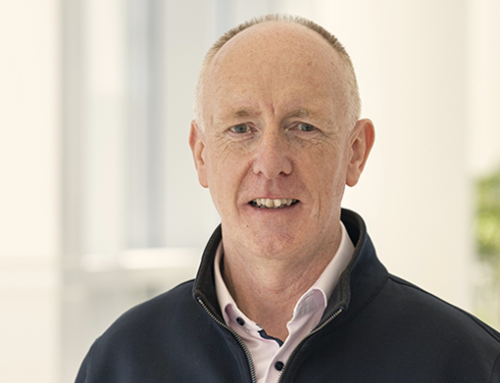
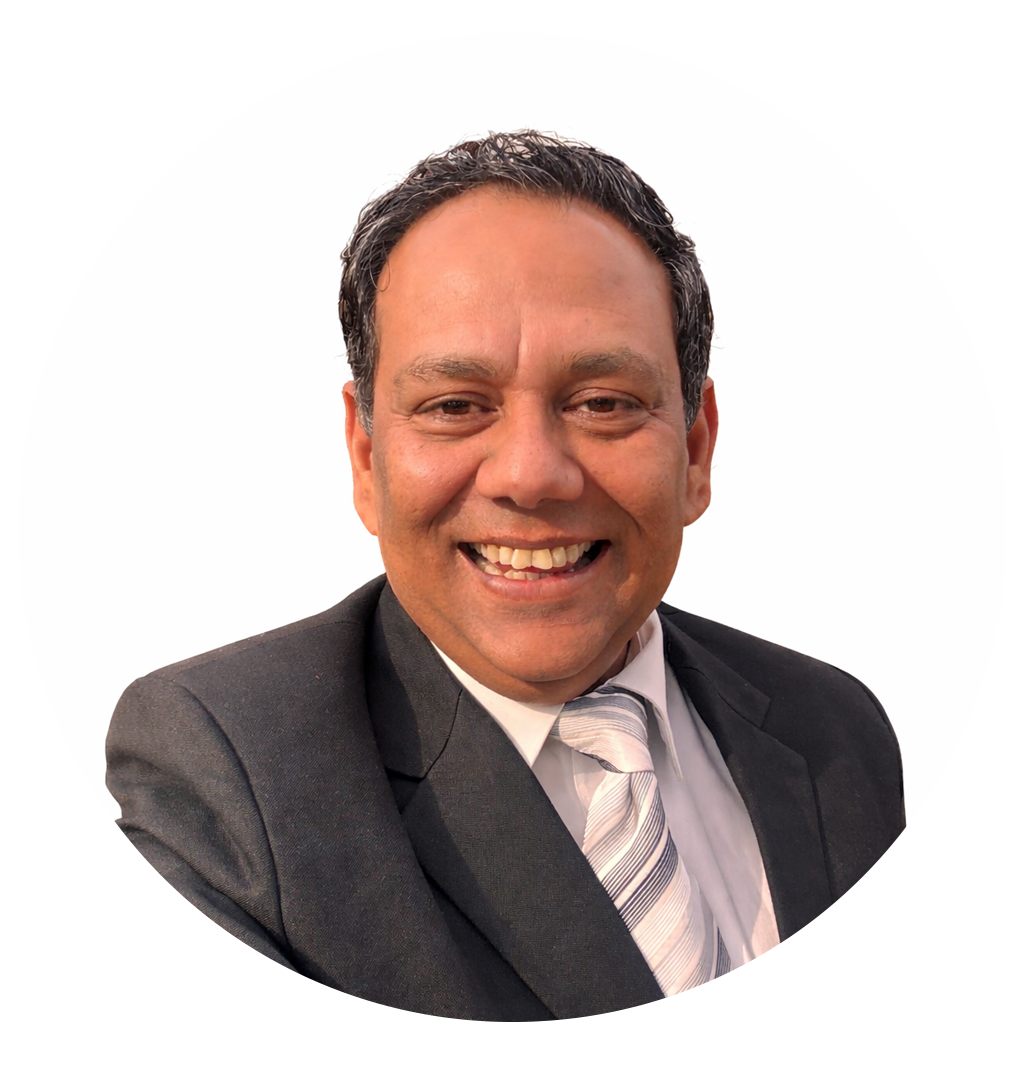
In this third Patient Voices feature, we are highlighting the journey of Shezad Sharif from India – entrepreneur, musician, patient advocate and founder of the India Aortic & Heart Valve Alliance.
Before his surgery, Shezad spent his free time rock climbing, mountain biking and creating music. A few weeks later, walking across a room felt exhausting. Shezad could no longer play the guitar. Looking at his phone for more than a minute left him drained. Sleep became difficult. Every new sensation in his body seemed to raise a new question.
For Shezad, recovering from major heart surgery would prove to be a journey far more complex than he had imagined.
When life changes unexpectedly
Living in Shimla, a mountain city in northern India, Shezad had spent more than 25 years building a career in information technology, capacity building and community development. Then came a diagnosis that changed everything.
He was diagnosed with heart valve disease – an ascending aortic aneurysm and severe aortic regurgitation caused by a diseased aortic valve. In May 2025, he underwent a Bentall procedure to replace both his enlarged aorta and damaged valve. The surgery was successful. But recovery would become its own challenge.
The part nobody talks about
After seven days in hospital, Shezad returned home with his wife, who became his primary caregiver throughout the weeks that followed. Physically, he felt extremely weak. He could barely walk across a room without becoming exhausted. Because of the sternotomy required during surgery, his chest and sternum were painful, and he was advised to sleep sitting upright rather than lying flat.
Sleep itself became a struggle. Vivid dreams and occasional nightmares interrupted his rest, while thoughts about the surgery and whether everything would be alright occupied his mind. Even simple activities felt overwhelming.
“I could only look at my phone for a minute or so before my head would start to spin and I would feel exhausted,” he recalls.
Playing the guitar, something that had always brought him joy, was suddenly out of reach. Yet the greatest challenge was not physical. It was learning to live with uncertainty. Every new sensation felt significant. A blocked nose made him wonder whether he was getting enough air. A slight discomfort near his surgical site could trigger fears that something was wrong.
“I found myself constantly monitoring my body and questioning whether what I was feeling was normal.”
Anxiety became a significant part of recovery. Looking back, Shezad believes this is one of the least discussed aspects of major cardiovascular surgery. “Recovery is not only physical. It is emotional and psychological as well.”
Walking through recovery
During some of the most difficult days, support from family and friends became a lifeline. Conversations helped distract him from anxiety, lifted his spirits and reminded him that he was not facing recovery alone. One source of support, however, became especially important.
Every day, without fail, Shezad and his wife went for a walk together. Sometimes for 45 minutes. Sometimes for an hour. Those walks became part of their daily routine and an important part of both his physical and emotional recovery. Whenever his blood pressure was elevated or anxiety began to build, walking helped him regain a sense of calm and control.
Six weeks after surgery, his doctor cleared him to gradually return to work and resume aspects of everyday life. It was an important milestone, but recovery was far from complete. He still experienced sternum pain, could not drive and even wearing a seatbelt was uncomfortable. What helped him move forward was changing his expectations.
For a long time, he expected each day to feel better than the one before. Recovery had other plans. Accepting that reality became one of the most important lessons of his journey.
“There would be good days and there would be bad days. Recovery is not a straight line.”
Once he stopped measuring progress day by day, he began to recognise something important: despite setbacks, he was moving forward. As the weeks turned into months, his health, confidence and wellbeing gradually improved.
Turning recovery into purpose
During his recovery, Shezad became increasingly aware of another challenge. Many people living with heart valve disease were navigating diagnosis, treatment and recovery with very little information, support or connection to others who understood what they were experiencing. He realised that many patients and caregivers were facing life-changing conditions feeling isolated and unprepared. He wanted to help change that.
Following his recovery, Shezad founded the India Aortic & Heart Valve Alliance, a patient-led initiative focused on raising awareness of aortic disease and heart valve conditions, supporting patients and caregivers, and strengthening community engagement around cardiovascular health in India.
His advocacy journey has also been shaped by Global Heart Hub. Through its global network, educational programmes and patient leadership initiatives, he has connected with advocates from around the world and gained valuable insights into building sustainable patient organisations.
“Global Heart Hub has played an important role in shaping and strengthening my advocacy journey,” he says.
As he continues to build the India Aortic & Heart Valve Alliance, he hopes to create stronger support systems for patients and caregivers while raising awareness of conditions that too often remain under-recognised.
A message to others
Reflecting on his experience, Shezad’s advice is simple. Be patient with yourself. There will be good days and difficult days. There will be moments of progress and moments of frustration. But healing takes time.
“Focus on what you can control, take one day at a time, celebrate the small victories and trust that healing and progress are possible.” He also encourages patients not to underestimate the importance of emotional wellbeing during recovery. Fear, uncertainty and self-doubt are common, and seeking support is a sign of strength, not weakness.
Most importantly, he believes that patients have the power to help one another.
“By sharing our stories, supporting one another and raising awareness, we can help ensure that others feel less alone and better prepared for their own journey.”
One step at a time
Today, Shezad continues to advocate for greater awareness of heart valve disease, stronger patient education and more meaningful patient involvement in healthcare decisions.
His journey is a reminder that healing is not measured only by successful surgery or medical outcomes. It is measured by resilience. By support. By patience. And sometimes, by something as simple as taking a walk.
Those daily walks that once marked the beginning of his recovery now symbolise something much bigger. Progress does not happen all at once. It happens one step at a time.
Thank you, Shezad, for sharing your story.
Learn more about becoming a Global Heart Hub Patient Affiliate today