
Cardiomyopathy Awareness Month | June 2026
Cardiomyopathy Awareness Month | June 2025
This international campaign by Global Heart Hub has been made possible by a sponsorship grant from Bristol Myers Squibb and Edgewise Therapeutics.
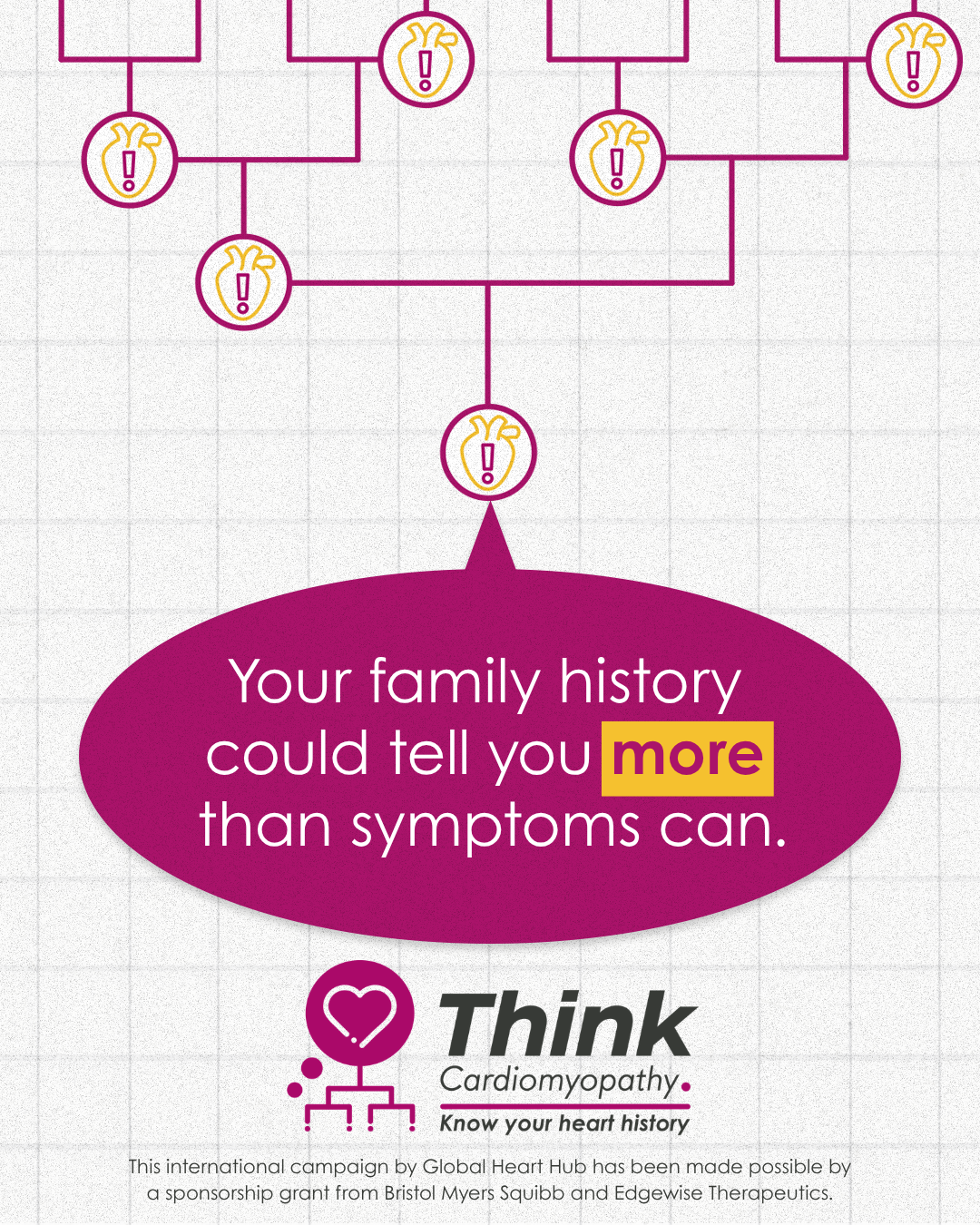
Think Cardiomyopathy. Know your Heart History
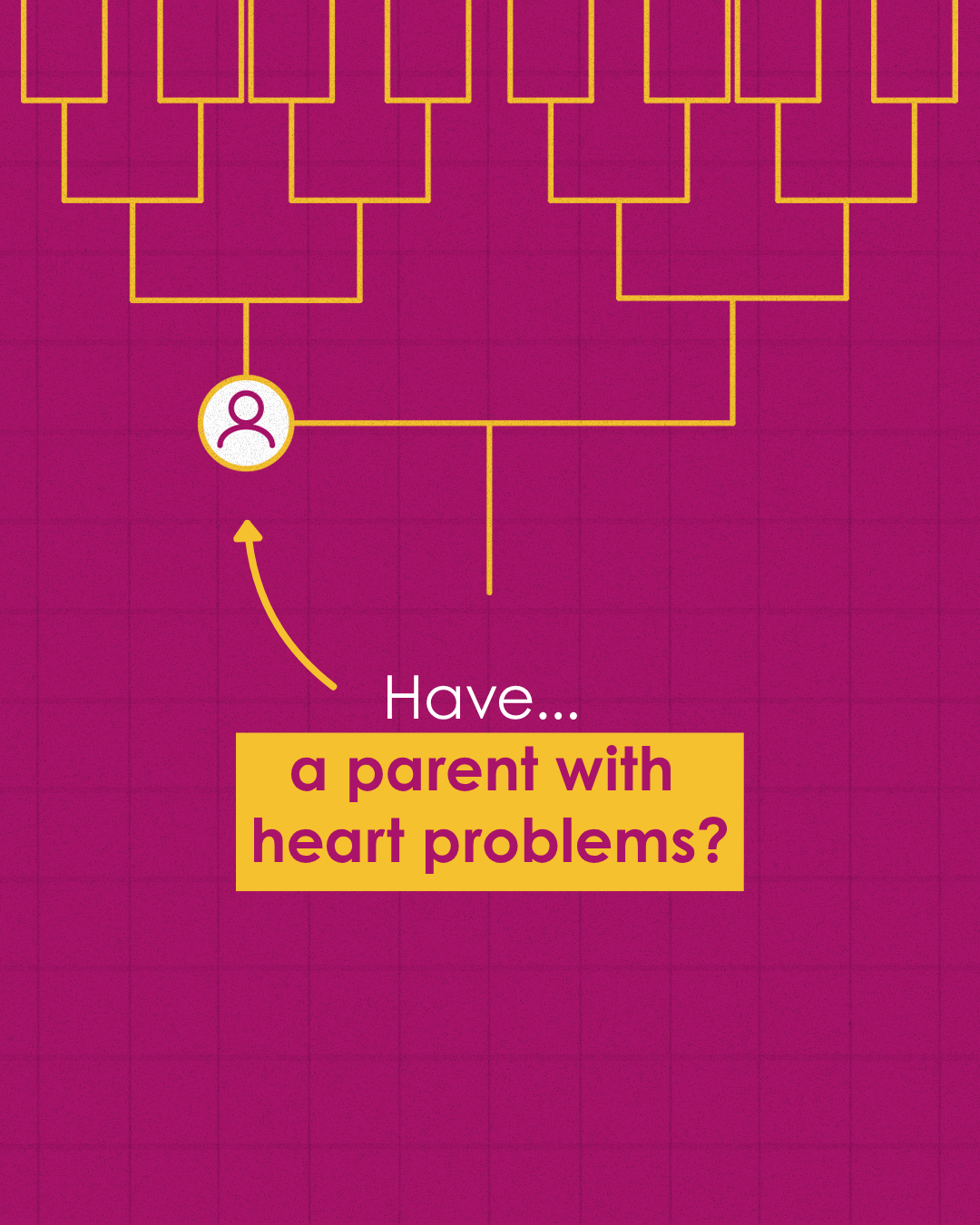
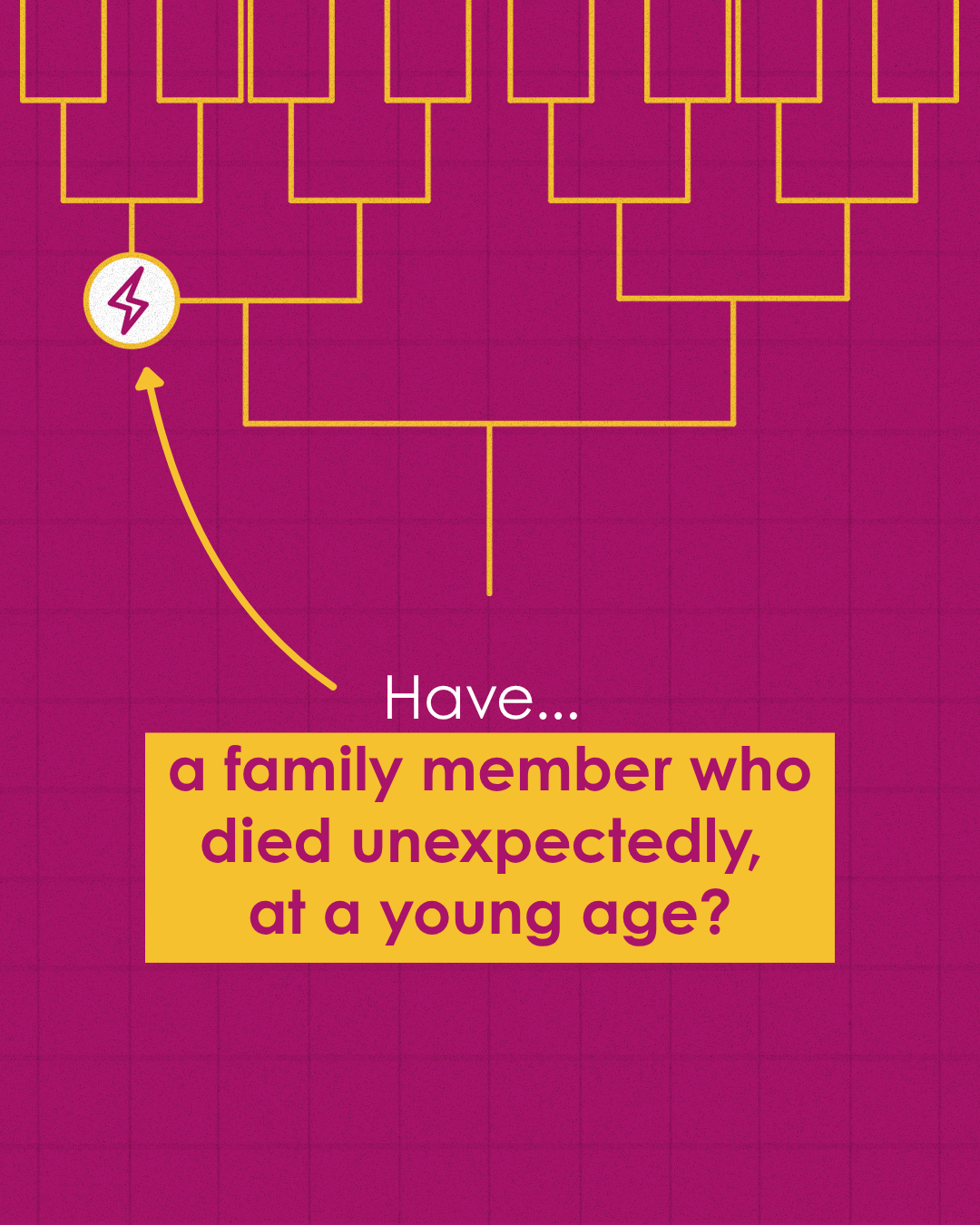
Sometimes, the first clue is not a symptom, but a story. A parent who developed heart problems unexpectedly. A relative who struggled with unexplained chest pains. A sudden, premature death that no one fully understood.
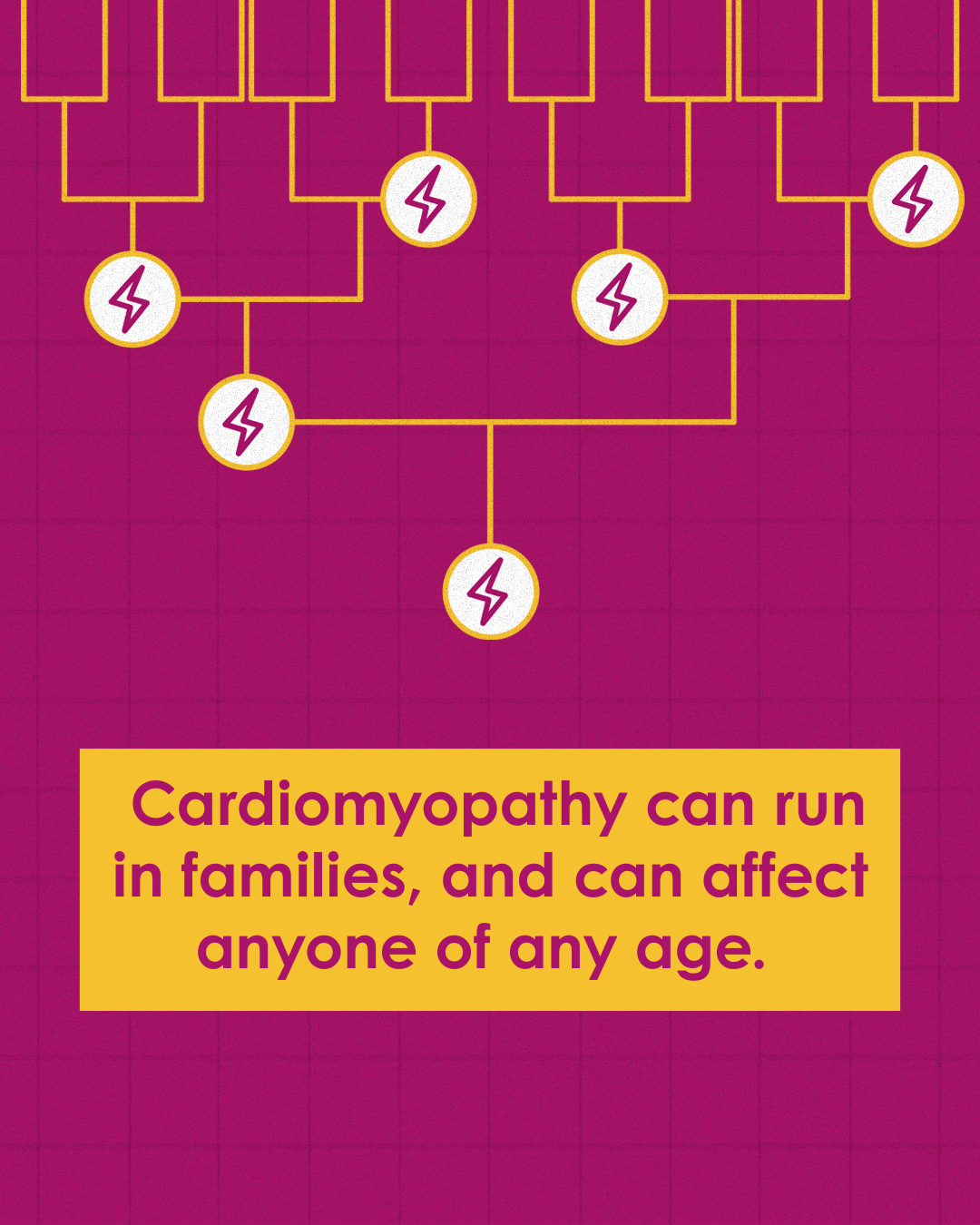
Cardiomyopathy is a disease of the heart muscle that affects the heart’s ability to pump blood around the body. It can affect people of all ages and can develop for different reasons but is often passed down genetically.
Share this message!
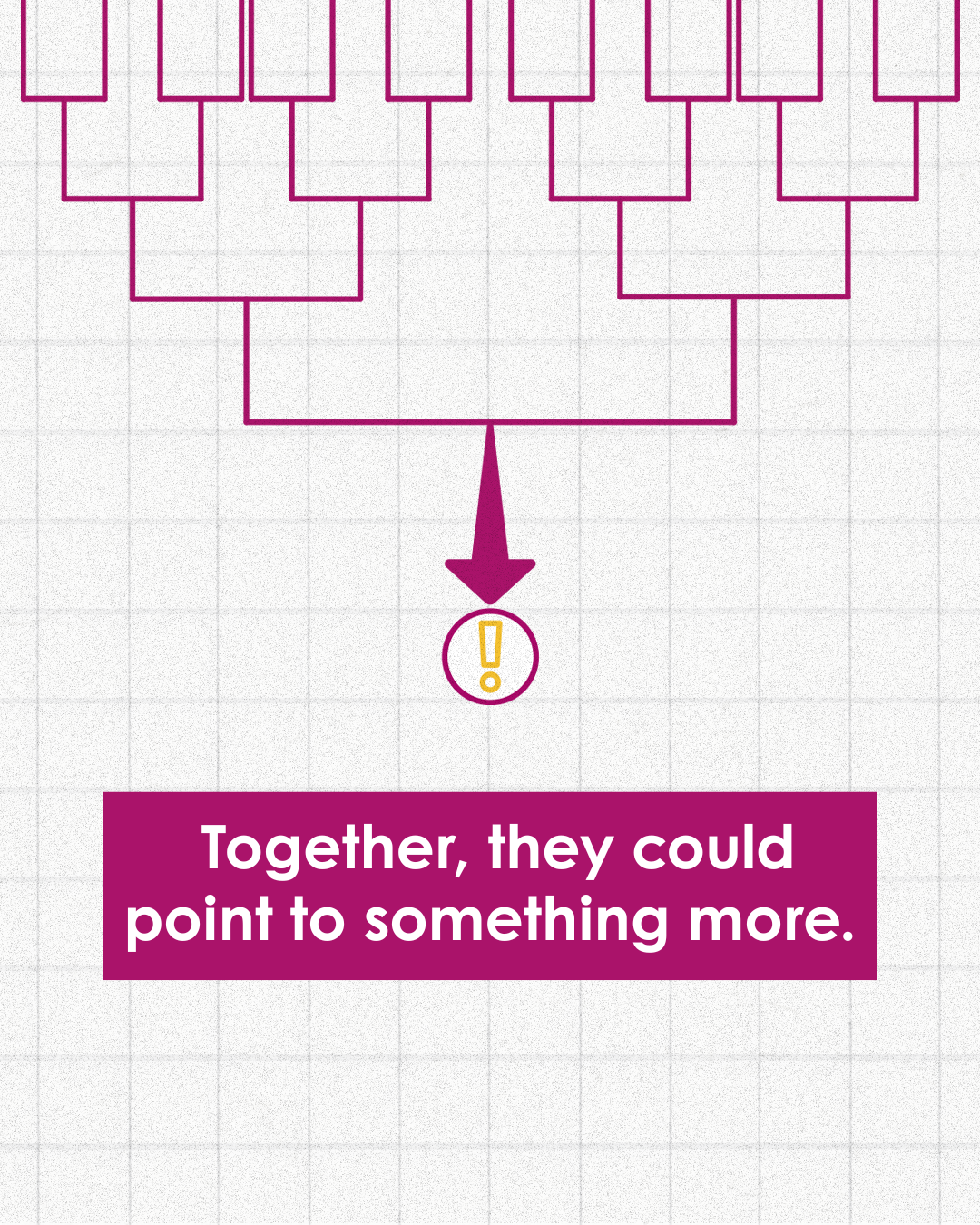
For many people, the warning signs of cardiomyopathy come from the patterns that exist across generations, in their own family tree. Understanding these patterns can help you ask new questions, identify potential risks and take action earlier.
Talk to your family about their heart health. If something doesn’t feel right, speak to your doctor about what it could mean for you.
Think Cardiomyopathy. Know Your Heart History.
Think Cardiomyopathy. Know your Heart History
Think Cardiomyopathy! Understand your family’s heart health
Knowing if you have an inherited type of cardiomyopathy is important because it can impact the risk for other family members.
Impact of cardiomyopathy
Think Cardiomyopathy! Understand your family’s heart health
Cardiomyopathy is a predominant cause of sudden cardiac death and heart failure.
Cardiomyopathy often runs in families.
Think Cardiomyopathy! Understand your family’s heart health
Do you know if it runs in your family?
Think Cardiomyopathy! Understand your family’s heart health
Facts about Cardiomyopathy
Cardiomyopathy is a disease of the heart muscle. It can affect people of any age. It is the leading cause of sudden cardiac death under 35, heart failure and heart transplants. Around 1 in 250 people worldwide are affected.
Translated Campaign Videos
Know the signs and symptoms
earliest stages cardiomyopathy may not have symptoms or symptoms may be mild. Knowledge is power.
Know the signs and symptoms of Cardiomyopathy:
- irregular or rapid heartbeat
- tiredness / breathlessness
- dizziness / fainting
- chest pain / heaviness
- swollen stomach, legs, ankles or feet
Together, patients and healthcare professionals can spot the signs of cardiomyopathy earlier; even when symptoms are subtle or seem unrelated.
Patients know their symptoms, their instincts, and their family stories. Healthcare professionals bring the clinical insight to connect the dots. Think Cardiomyopathy!
Cardiomyopathy types
There are various types of cardiomyopathy, each with unique characteristics and potential impacts on health. The three main types of cardiomyopathy are:
- Dilated cardiomyopathy (DCM) – the most common type of cardiomyopathy; is inherited in up to 40% of cases; causes the muscle of the heart chambers (ventricles) to become weakened and enlarged.
- Hypertrophic cardiomyopathy (HCM) – the most common inherited cardiomyopathy; characterized by the thickening of the main pumping chamber of the heart (the left ventricle); the left ventricle generally becomes stiffer over time and less capable of taking in or pumping out blood.
- Arrhythmogenic cardiomyopathy (ACM) / Arrhythmogenic right ventricular cardiomyopathy (ARVC) – an inherited form of cardiomyopathy that is characterized by progressive replacement of the heart muscle with scar tissue, causing heart rhythm irregularities (arrhythmias).
About this campaign:

Led by Global Heart Hub’s Cardiomyopathy Patient Network, the 2026 Cardiomyopathy Awareness Campaign focuses on the importance of knowing your family history. The Cardiomyopathy Patient Network was formed in November 2021 and brings together patient organisations across the world to increase awareness and understanding of cardiomyopathy. The Patient Network advocates for improved diagnosis of the condition, access to appropriate testing, counselling and treatments. In addition, the Network aims to raise awareness and improve understanding of the disease, with a view to enabling people to live well with the condition.
To join the campaign or for more information, please email info@globalhearthub.org.
Supported by: