


We invite you to vote now for the 2025 Unite Summit Excellence Award!
Heart Sistas, Inc.
USA
Heart Sistas Sista Circle: Empowering Her Through Health, Healing and Sisterhood

Heart Sistas, Inc. USA
Title of the Project/ Initiative:
Heart Sistas Sista Circle: Empowering Her Through Health, Healing, and Sisterhood
Central Aim of the Project:
The goal of the Heart Sistas, Sista Circle project is to address cardiovascular health disparities among Black and Brown women by providing culturally relevant support, education, and resources to improve heart health, mental well-being, and overall empowerment.
Description of the Project and its Implementation:
The Heart Sistas, Sista Circle is a culturally tailored health equity initiative designed to reduce cardiovascular disparities among Black and Brown women. Launched in 2025 under the theme “Empower Her,” the program focuses on educating, connecting, and uplifting women through a healing-centered, community-driven model.
The core of the initiative is a 6-week support circle, where women ages 25–55 engage in weekly sessions covering heart health, nutrition, physical activity, mental wellness, financial literacy, and sisterhood. Sessions are led by health professionals, mental health experts, and financial educators, integrating evidence-based education with storytelling, peer support, and practical resources.
To measure impact and ensure relevance, the program uses a mixed-methods approach, collecting data from surveys, focus groups, and interviews with women affected by cardiovascular disease.
Beyond the 6-week model, Heart Sistas hosts year-round community events. In 2025, these included a Vision Board Gathering, Empowering Her Fashion Show, and weekly virtual Sista Circles. Each component fosters connection, cultural pride, and wellness.
By grounding the program in lived experience and cultural identity, Heart Sistas provides a safe, supportive space for women to heal, grow, and take charge of their health.
Impact, Measurement and Results:
The Heart Sistas Sista Circle initiative successfully engaged 100 women through in-person and virtual programming in 2025. Outcomes included increased awareness of cardiovascular risk factors, improved knowledge of heart-healthy habits, and stronger peer support networks. Participants reported feeling more empowered to manage their health and seek care proactively.
Through a mixed-methods evaluation, we found significant gains among participants, including heightened awareness of cardiovascular risks, enhanced knowledge of heart-healthy practices, and a deepened sense of community. Women consistently cited increased confidence in managing their well-being and accessing care. Signature events like the Vision Board Gathering and Empowering Her Fashion Show drew impressive participation, sparking meaningful conversations about culture and wellness. Notably, 75% of women engaged in virtual circles returned for multiple sessions, reflecting the program’s ongoing value and resonance.
Feedback also emphasized the emotional value of sisterhood and shared healing. These findings demonstrate the power of culturally rooted community-led health.
Key Learnings and Takeaways:
We learned that when women feel seen, heard, and supported, real healing happens. Meeting them where they are, with sisterhood, culture, and compassion, builds trust and sparks change. This approach made heart health relatable and personal, and showed us that community-driven care is not just helpful, it’s powerful.
Recommendations and Implications for the Future:
To deepen impact, the Sista Circle model should be expanded into more communities, with increased funding for virtual and in-person access. Partnering with healthcare providers and institutions can help integrate culturally rooted education, while training peer leaders ensures sustainability and continued trust within underserved populations.
Her Heart
Australia
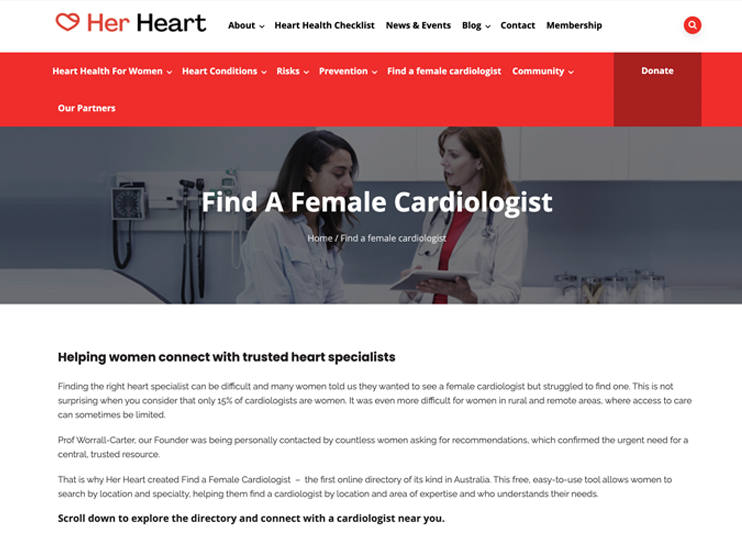
Empowering Women Through Access: The Her Heart Find a Female Cardiologist Directory
Her Heart, Australia
Title of the Project/ Initiative:
Empowering Women Through Access: The Her Heart Find a Female Cardiologist Directory
Central Aim of the Project:
To create the first national, public directory focused exclusively on increasing access to female cardiologists for patients, addressing the disparity that women struggle to find trusted specialist care despite research showing improved outcomes when treated by female physicians.
Description of the Project and its Implementation:
Research shows that women treated by female physicians, including general practitioners and cardiologists, often experience better outcomes such as lower mortality and reduced hospital readmissions. Yet female cardiologists remain underrepresented in Australia, as only 15% of cardiologists are women and women frequently therefore struggle to connect with them.
This gap was reinforced by numerous requests from women seeking help to find a female cardiologist in their state, highlighting the urgent need for a centralised solution. Her Heart responded by creating the ‘Find a Female Cardiologist’ directory, to our knowledge, the world’s first patient facing directory focused exclusively on female cardiologists.
Development involved outreach to cardiologists in all states, with each entry checked against public sources to ensure accuracy. Once the contacts had been verified, the next step was to create an online directory that could be easily searched by location and specialty. The directory was launched on the Her Heart Hub in June 2020 as a free, accessible tool. It has also fostered a community of cardiologists who are now more aware of Her Heart and recommend it to their patients as a trusted source of information. This initiative demonstrates how patient-led solutions can address gender disparities in cardiovascular care.
Impact, Measurement and Results:
The directory currently lists more than 120 cardiologists, representing around 15% of all female cardiologists in Australia. Since launching, it has been accessed over 30,000 times, with engagement measured through website analytics including page views, unique users, and search behaviour.
User feedback has been highly positive, with women describing the resource as “essential” and “something I had been searching for.” Importantly, the initiative has also built new professional connections: many female cardiologists who were previously unaware of Her Heart have since engaged with the organisation, and some now recommend the Her Heart website to their patients as a trusted source of information and resources.
By addressing a recognised gap in access, the directory has provided women with greater confidence to seek specialist care while strengthening Her Heart’s visibility among clinicians. This demonstrates how patient organisations can deliver practical, evidence-based resources that improve trust and equity in cardiovascular care.
Key Learnings and Takeaways:
The project confirmed that women want clear, direct ways to connect with female cardiologists, valuing care where they feel understood and supported. Research shows that outcomes improve with female physicians, reinforcing the importance of this access. Creating tools shaped by women’s needs demonstrates how practical, evidence-based resources can close gaps and promote equity in cardiovascular care.
Recommendations and Implications for the Future:
Sustaining the directory through regular updates and building stronger links with professional networks, such as Women in Cardiology groups, will enhance its reach. This project demonstrates how patient-led initiatives can drive equitable access, ensuring women receive the cardiovascular care they need and deserve.
Pacientes De Corazón A.C. (PACO), Mexico
Her Heart Beats Too: Prevention, Early Detection and Awareness of Cholesterol and Heart Valve Disease in Women
Pacientes De Corazón A.C. (PACO)
Title of the Project/ Initiative:
Her Heart Beats Too: Prevention, Early Detection and Awareness of Cholesterol and Heart Valve Disease in Women
Central Aim of the Project:
Reducing Cardiovascular Risks in Women:
- Education: raise awareness of the risks of high cholesterol and valvular heart disease.
- Detection: identify cases through health fairs and refer them for medical care.
- Awareness: deliver the message on a large scale through urban
Description of the Project and its Implementation:
“Her Heart Beats Too” is a comprehensive initiative designed to highlight the risks of high cholesterol and valvular heart disease in women, promote early detection, and drive behavioral changes toward cardiovascular care.
The project was implemented in three complementary phases:
Education and awareness: We organized the Cholesterol and Women Forum, a hybrid event with cardiology and nutrition specialists, as well as patients who shared scientific evidence and testimonies. The session was broadcast live to expand its reach.
Early detection:
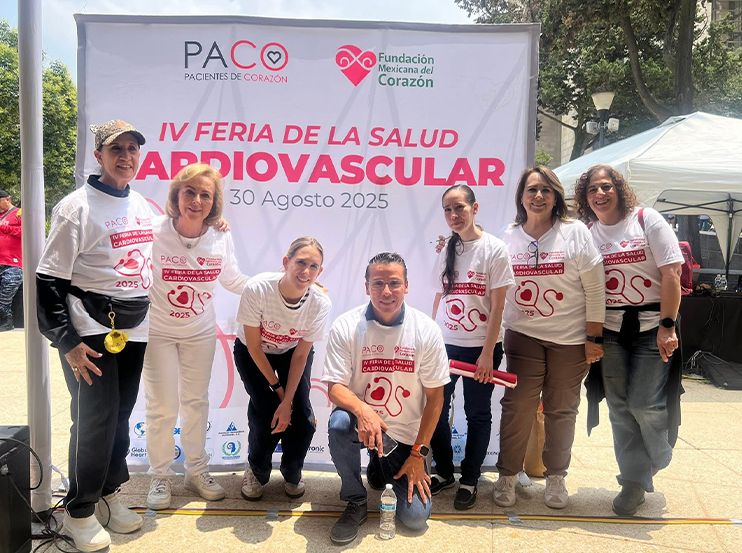
We held a Cardiovascular Health Fair where we offered free tests for cholesterol, blood pressure, auscultation, and ECG. Women with abnormal findings were referred to partner hospitals for timely care.
Mass awareness campaign:
We launched messages in high-traffic bus shelters with clear calls to check cholesterol and detect valvular diseases.
This design combined in-person, educational, and social communication interventions to maximize impact, collect data, and empower participants. The integration of forums, detection, and urban campaigns created a replicable model of cardiovascular prevention for women.
Impact, Measurement and Results:
The initiative reached more than 252,950 people directly and indirectly.
At the Cholesterol and Women Forum, there were 200 live attendees and more than 2,500 online views, generating a high level of interaction on social media.
At the Cardiovascular Health Fair, 450 women were evaluated:
- 32% presented elevated cholesterol.
- 14% showed murmurs suspicious for valvular disease.
- 100% received counseling and, in risk cases, referral for medical follow-up.
The bus shelter campaign achieved an estimated 250,000 visual impacts, increasing visibility of the problem and interest in preventive check-ups.
Results were measured through attendance records, screening forms, digital metrics, and advertising reach estimates, demonstrating that the initiative improved awareness and supported timely diagnosis.
Key Learnings and Takeaways:
We learned that combining education, detection, and mass communication is key to reaching women and motivating action. Collaboration among patients, physicians, and authorities strengthens results. This model demonstrates that inclusive, data-driven campaigns can reduce gender gaps and be replicated in other communities.
Recommendations and Implications for the Future:
Scale up the project to more cities, integrating periodic cholesterol testing and valvular screening into public health programs. Strengthen partnerships with hospitals and companies to expand coverage and generate data that drive cardiovascular prevention policies focused on women. This will be followed by a second bus shelter campaign in 2025.
Stroke Association of Kenya (SAoK), Kenya
Stroke Awareness & Unity for Transforming Inequities Gender-Responsive Community Health Worker Training Initiative
Stroke Association of Kenya (SAoK)
Title of the Project/ Initiative:
SAUTI (Stroke Awareness & Unity for Transforming Inequities) Gender-Responsive Community Health Worker Training Initiative
Central Aim of the Project:
SAUTI advances Kenyan women’s heart and stroke health by challenging symptom dismissal and late detection, replacing silence with culturally rooted education, embedding women’s voices in research, dismantling cost, distance and bias barriers, and making timely, respectful care the norm.
Description of the Project and its Implementation:
SAUTI was designed as a culturally grounded response to the inequities Kenyan women face in cardiovascular and stroke care. Women survivors and caregivers highlighted recurring struggles symptoms ignored until too late, stigma after stroke, and systemic barriers such as cost, distance, and lack of gender-sensitive care.
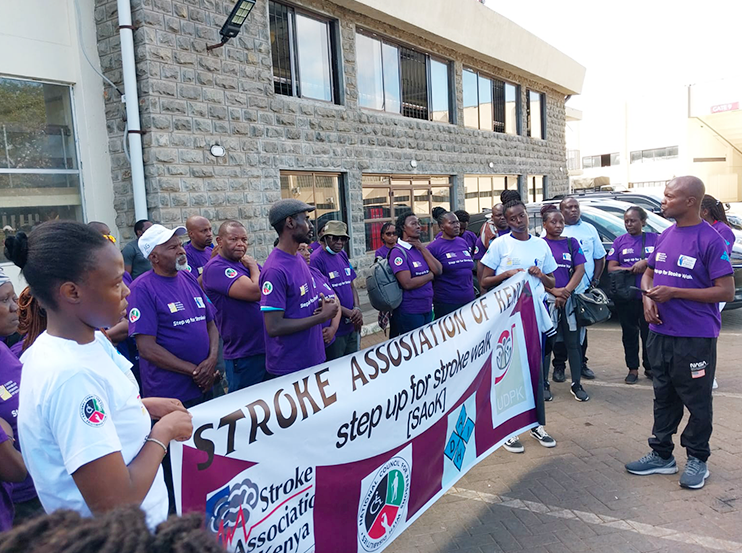
To address these, SAUTI created a platform that blends community education, peer support, and advocacy. We began by convening women survivors at the grassroots level, training them as community champions to share experiences in local languages and dismantle stigma in culturally safe forums. These champions delivered workshops focused on women-specific cardiovascular risks including pregnancy, menopause, and lifestyle factors using relatable examples from everyday life.
We partnered with local clinics to introduce gender-sensitive screening days where women received tailored counselling and referral support. At the same time, SAUTI launched “storytelling for advocacy,” using survivors’ voices on radio, digital platforms, and village gatherings to influence both community perceptions and health system practices.
The project design was intentionally low-cost and scalable, enabling replication across rural and urban settings. By rooting education and advocacy in lived experiences, SAUTI transforms silence into collective action, making women visible in cardiovascular research, care, and policy.
Impact, Measurement and Results:
SAUTI has begun transforming women’s cardiovascular health awareness and access in Kenya by breaking cultural silence and creating new entry points into care. Over six months, 20 trained women champions reached more than 1,200 women through local forums and radio sessions, with 68% of participants reporting improved understanding of stroke symptoms and risk factors in post-session surveys. Clinic partners recorded a 35% increase in women presenting for cardiovascular screening, many for the first time, and referrals for timely intervention rose by 22%.
Survivor testimonies collected through focus groups highlighted reduced stigma and greater confidence in seeking care. SAUTI’s storytelling platforms drew 15,000 listeners and online engagements, amplifying women’s voices in research and advocacy dialogues. These outcomes demonstrate that when culturally marginalised women are empowered with knowledge and voice, measurable improvements in awareness, diagnosis, and access to equitable care follow.
Key Learnings and Takeaways:
We learned that women’s silence in cardiovascular health is rooted as much in culture as in healthcare gaps. Empowering survivors as peer educators builds trust, reduces stigma, and drives earlier care-seeking. Embedding women’s lived experiences into awareness, screening, and advocacy creates a replicable model to tackle gender inequities in cardiovascular health across the Global South.
Recommendations and Implications for the Future:
To close gender gaps in cardiovascular health, survivor-led education must be mainstreamed into community health structures, while health systems embed gender-sensitive screening and treatment pathways. Policymakers should prioritise women’s representation in research and decision-making. SAUTI demonstrates a replicable, low-cost model adaptable across marginalised settings in the Global South.
Stroke Action
Rwanda
Women First: Reducing
Cardiovascular Disparities
Among Stroke Survivors
in Rwanda
Stroke Action Rwanda
Title of the Project/ Initiative:
Women First: Reducing Cardiovascular Disparities Among Stroke Survivors in Rwanda
Central Aim of the Project:
To enhance equitable access to comprehensive cardiovascular care for women stroke survivors in Rwanda by addressing treatment, follow-up, and secondary prevention disparities, while empowering them through education, community engagement, and socio-economic support for sustainable recovery.
Description of the Project and its Implementation:
Women First: Reducing Cardiovascular Disparities Among Stroke Survivors in Rwanda is a 36-month initiative addressing critical gaps in cardiovascular care for women stroke survivors, a population disproportionately affected by recurrent strokes and limited access to specialized services.
The project uses a community-centered approach, combining clinical interventions, capacity building, patient empowerment, and socio-economic support. A baseline assessment identified care gaps, informing targeted interventions.
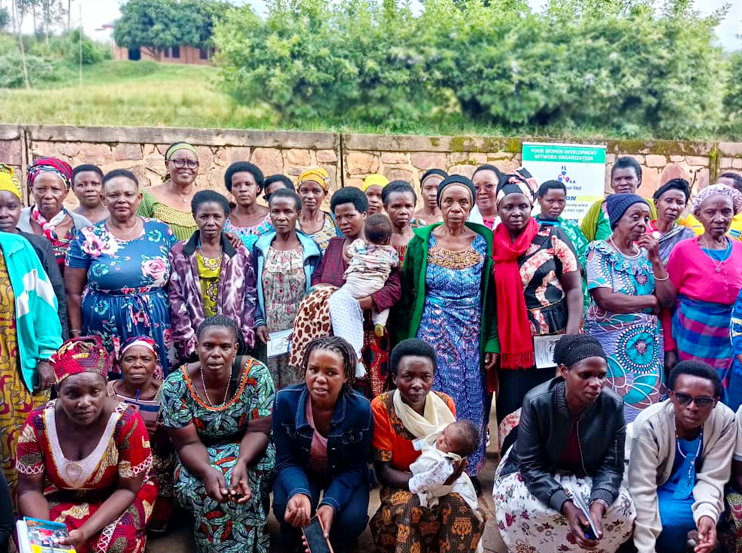
Partnerships with hospitals, rehabilitation centers, and local health facilities enabled subsidized or free specialized consultations and follow-up care. Mobile clinics and outreach programs extended services to underserved districts, ensuring continuity. Healthcare providers received advanced training in integrated stroke–cardiovascular management, while women survivors joined support groups for education on secondary prevention, lifestyle modification, and medication adherence. Small income-generating grants enhanced financial resilience, and community campaigns raised awareness of stroke warning signs and cardiovascular risk reduction.
Sustainability is promoted through collaboration with the Ministry of Health to integrate follow-up services into existing programs and advocacy for inclusion in national health insurance schemes. By addressing clinical, educational, and socio-economic barriers, the initiative empowers women survivors, improves health outcomes, and establishes a scalable, replicable model for equitable cardiovascular care in Rwanda and beyond.
Impact, Measurement and Results:
The “Women First” initiative substantially improved cardiovascular care access for women stroke survivors in Rwanda. Over 36 months, 500 women received subsidized or free specialized consultations, while mobile clinics and community outreach raised follow-up attendance to over 80%.
Healthcare provider capacity was strengthened, with 100 providers trained in integrated stroke–cardiovascular management, enhancing quality of care and patient outcomes. Support groups promoted adherence to treatment and lifestyle modifications, contributing to a 30% reduction in recurrent strokes among beneficiaries.
Socio-economic support, including income-generating grants, improved financial resilience, while community awareness campaigns reached approximately 2,000 indirect beneficiaries, increasing knowledge of stroke prevention and early warning signs.
Outcomes were rigorously measured through baseline and endline assessments, quarterly progress reports, patient satisfaction surveys, and annual stakeholder reviews, demonstrating effectiveness, sustainability, and a scalable model for equitable cardiovascular care across Rwanda and similar contexts.
Key Learnings and Takeaways:
Addressing gender disparities in cardiovascular health requires integrated, patient-centered approaches that combine clinical care, education, and socio-economic support. Engaging women survivors, strengthening healthcare provider capacity, and fostering partnerships with local facilities and policymakers improves adherence, health outcomes, and sustainability, offering a replicable, scalable model for equitable cardiovascular care in low-resource settings.
Recommendations and Implications for the Future:
To sustain and expand impact, integrate community-based follow-up into national health programs, scale mobile clinics, and continue capacity-building for healthcare providers. Advocate for policy inclusion in national insurance, strengthen survivor support networks, and replicate this gender-focused model in other low-resource settings to reduce cardiovascular health disparities.
Cast Your Vote!
Cast Your Vote!