
COMPASS project kicks off to drive AI-powered innovation in cardio-oncology
London, 26-27 March
- The initiative is funded by the European Union under the Innovative Health Initiative (IHI) and brings together over 60 partners from 25 countries.
- Global Heart Hub is proud to be part of the COMPASS consortium. Global Heart Hub ensures that patient perspectives are fully integrated into the project so that solutions are clinically effective and aligned with real patient needs. As lead of the Patient Engagement, Education and Training Work Package, GHH works with Consortium Partners to develop recommendations for patient centred cardio oncology care, create community initiatives to raise awareness of the link between cancer treatment and cardiovascular health, and produce training materials for both patients and clinicians.
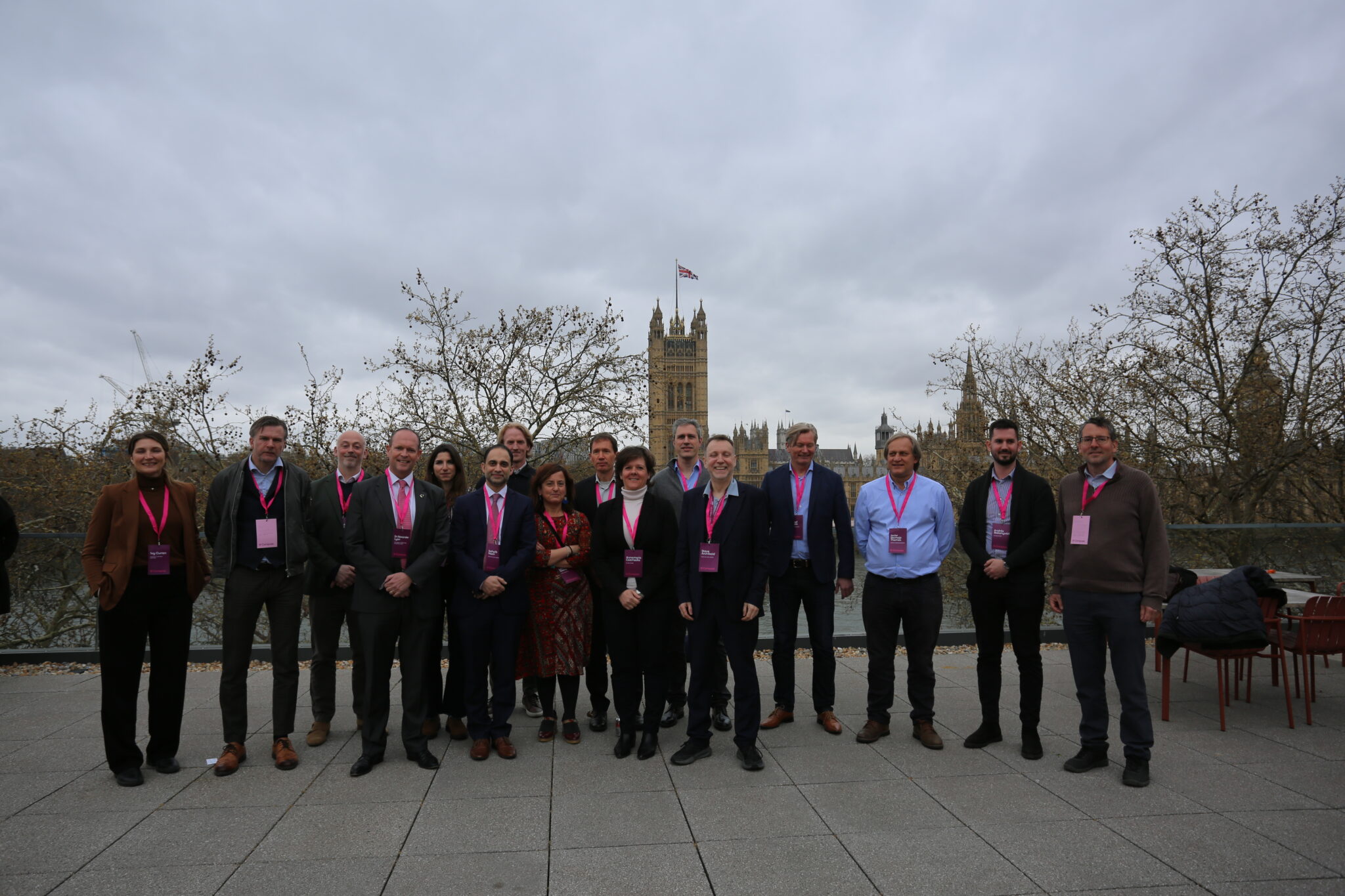
Photo: The COMPASS consortium coming together in London
Improving the heart health of people living with and beyond cancer has become a key concern for Europe. One in four anticancer medicinal products have required a safety warning related with cardiac or vascular side effects, creating new challenges for patients and healthcare systems as cancer survival continues to improve. In response, the European Union is prioritising earlier detection, integrated care pathways and the use of digital and artificial intelligence–enabled solutions to reduce cardiovascular complications.
In this context, the COMPASS project (Cardio-Oncology Multidisciplinary Patient ASsistance Solution) has been launched to develop innovative solutions that strengthen cardio-oncology services. The consortium officially kicked off the project with a two-day meeting held on 26-27 March 2026 in London, hosted by King’s College London at St Thomas’ Hospital. Partners came together to align on objectives and work plans and set the foundations for the collaboration ahead. This meeting marked the starting point of COMPASS, bringing together the expertise of the consortium to begin advancing AI-supported innovation in cardio-oncology care.
Over the next five years, and by combining scientific excellence with real-world clinical experience, the project will support Europe’s efforts to strengthen cancer care, enhance early-detection, and improve quality of life for people living with and beyond cancer. Funded under the Innovative Health Initiative (IHI), a European public–private partnership, and coordinated academically by King’s College London and industrially by GE HealthCare, COMPASS brings together more than 60 partners from 25 countries — including hospitals, research centres, universities, MedTech companies, SMEs and patient organisations. By combining public funding and industry expertise, the project aims to accelerate innovation and translate research into real-world healthcare solutions. With a total budget of over €50 million, COMPASS will provide patients and healthcare professionals with better tools to understand, detect early and manage heart problems caused by cancer treatments.
Commenting on the launch of COMPASS, Eigil Samset, General Manager of Cardiology Solutions at GE Healthcare, stated:
“GE HealthCare is proud to lead the industrial contribution to COMPASS, joining forces with leading academic and clinical experts to enhance cardio oncology care. This collaboration aims to develop an AI powered, patient centered clinical pathway that enables earlier cardiotoxicity detection, safer cancer treatment, and better long term cardiovascular outcomes for cancer patients.”
From the academic perspective, Steve Archibald, Professor in Molecular Imaging at School of Biomedical Engineering & Imaging Sciences at King’s College London, underlined:
“King’s College London is looking forward to providing academic leadership and scientific coordination to COMPASS, harnessing the consortium expertise across cardiology, oncology, molecular science, big data and AI to address the increasing challenge in cardiotoxicity in cancer care. We aim to promote integrated care models to drive widespread adoption across healthcare systems.”
Cancer therapies have become increasingly effective, contributing to improved survival and outcome to millions of people. But some treatments can unintentionally affect the heart, sometimes months or years after treatment has finished. Today, these risks are not always easy to detect, and follow-up care varies widely across Europe. COMPASS will help change this by creating a comprehensive, patient-focused care pathway that supports people from the moment cancer is diagnosed through treatment and long-term survivorship.
Advancing patient-centred care through AI and integrated technologies
The project will explore new ways to identify heart problems before symptoms appear, through a range of clinical research activities, including selected clinical trials, involving different groups of cancer patients and survivors. These activities will use blood biomarkers, modern medical imaging and other early indicators of cardiovascular stress. Artificial intelligence will support clinical decision-making through an interoperable Clinical Decision Support System (CDSS), integrating predictive models with imaging and monitoring data to enable more personalised and safer care decisions. COMPASS will also support the use of continuous monitoring, offering patients clearer, more accessible information about their heart health during and after therapy.
Beyond technology, COMPASS will strengthen collaboration between cardiologists, oncologists and other healthcare professionals, supporting better coordination across cardio-oncology care. The project will contribute to the development of integrated and sustainable care pathways through national collaboration models across Europe, helping improve how cardiovascular risks linked to cancer treatments are managed over time. It will also design long-term follow-up pathways to support the growing number of cancer survivors and protect their heart health beyond active treatment. To ensure lasting impact, COMPASS will assess the sustainability and long-term adoption of its solutions, helping ensure that successful innovations can be integrated into healthcare systems and used beyond the lifetime of the project.
Patient perspectives will be at the heart of the project. COMPASS will develop clear educational materials, awareness activities, and digital tools to help people understand the risks linked to their treatment and how to look after their heart health. This human-first communication approach is essential to ensure that innovations are not only scientifically sound but also meaningful and accessible to the people who need them.